Participatory Analog Event Photography
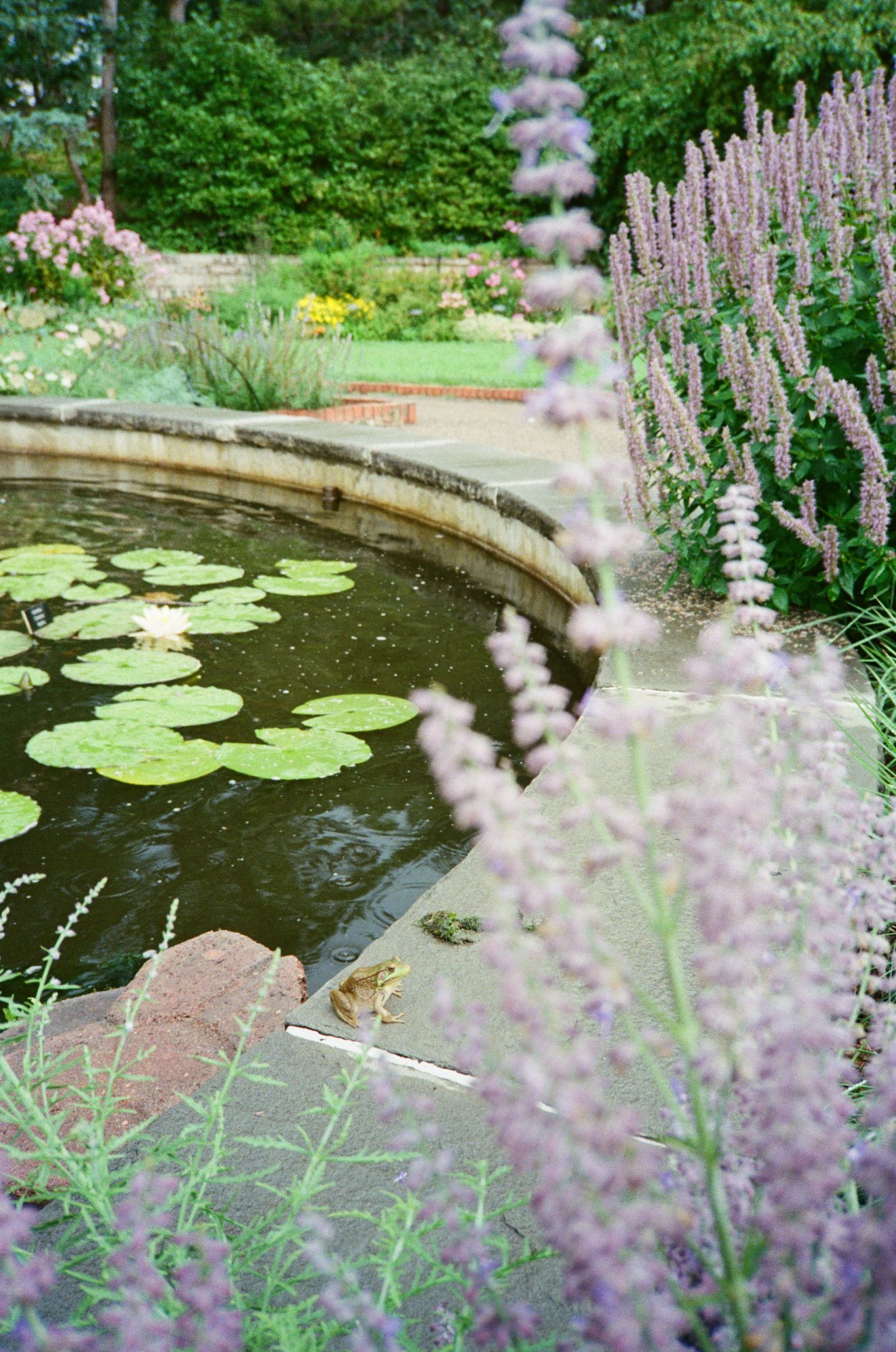
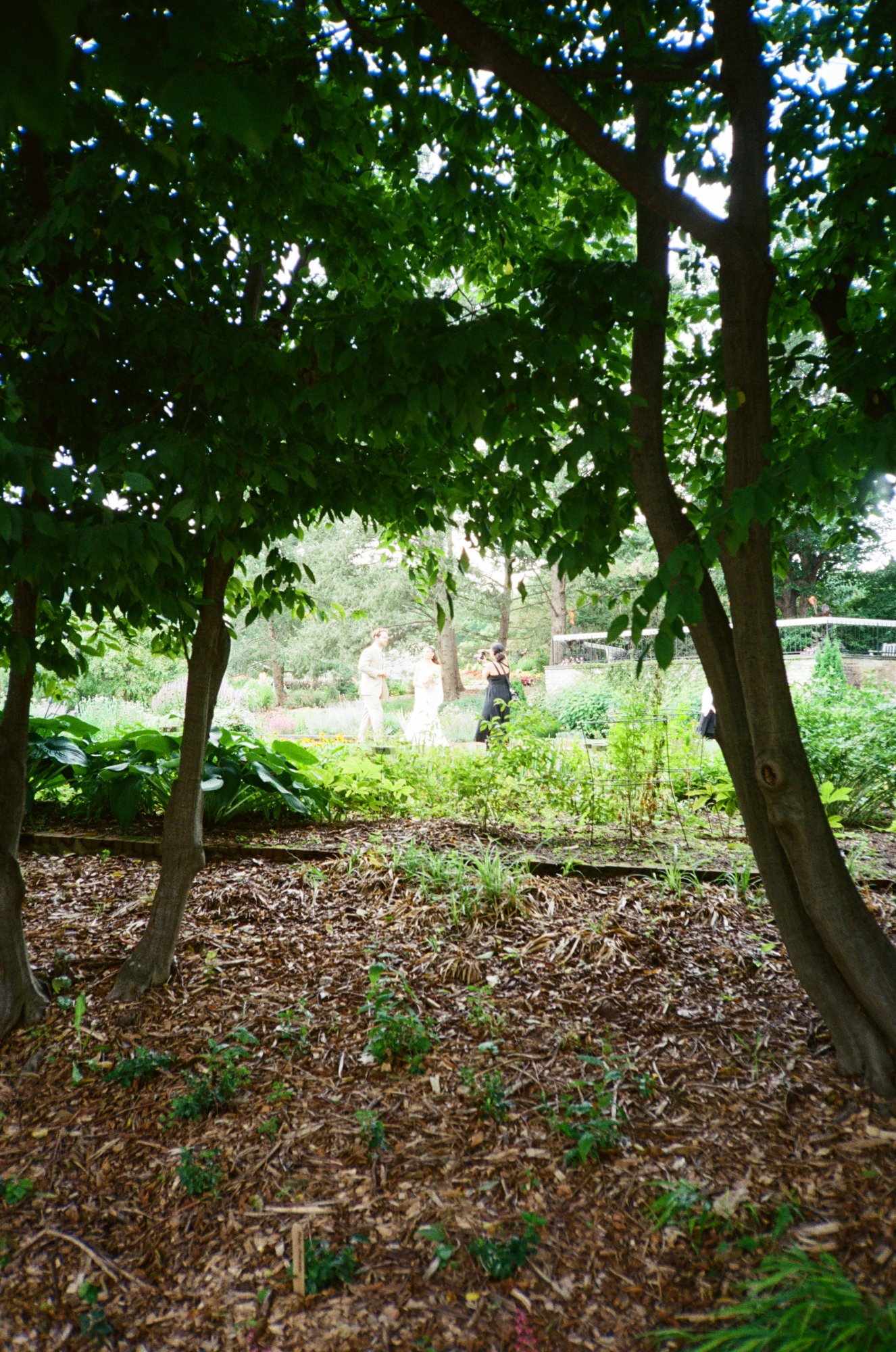
Participatory Analog Event Photography
Photography has become instant, frictionless, optimized.
Co-Fi Photo works in the opposite direction.
Most event photography asks one trained eye to capture everything — to hunt the moments, to manage the light, to produce a polished, unified record. Co-Fi Photo asks something different.
At a Co-Fi event, the cameras are given to the people already present. Participants become part of the photographic act. The archive belongs to everyone who made it.
We work entirely on film. The delay between taking a photograph and seeing it is not a limitation — it is the point. Memory is not instant. Neither should its records be.
The imperfect frame, the unexpected angle, the incidental moment caught by someone who wasn’t trying to take a good photograph — these are what we are after.
Co-Fi Photo is built for people who are skeptical of the wedding-industry aesthetic, who value presence over performance, and who want a record of an event that feels like it actually happened.
The cameras
The fleet spans several decades and includes cameras at every level of automation — from fully manual mechanical cameras that require the photographer to set focus, aperture, and shutter speed by hand, to point-and-shoots that do everything themselves. Some are heavy and deliberate; others are small enough to forget you’re holding one.
Each camera defamiliarizes the act of taking a photograph in a different way. A twin-lens reflex makes you look down instead of forward, slowing and reframing your relationship to the subject. A fully manual rangefinder requires deliberate mechanical engagement before every frame. An autofocus point-and-shoot removes almost all friction — and in doing so, changes what gets photographed entirely.
The result is an archive made by different hands, through different eyes, with different degrees of intention — which is to say, an archive that resembles how an event is actually experienced.
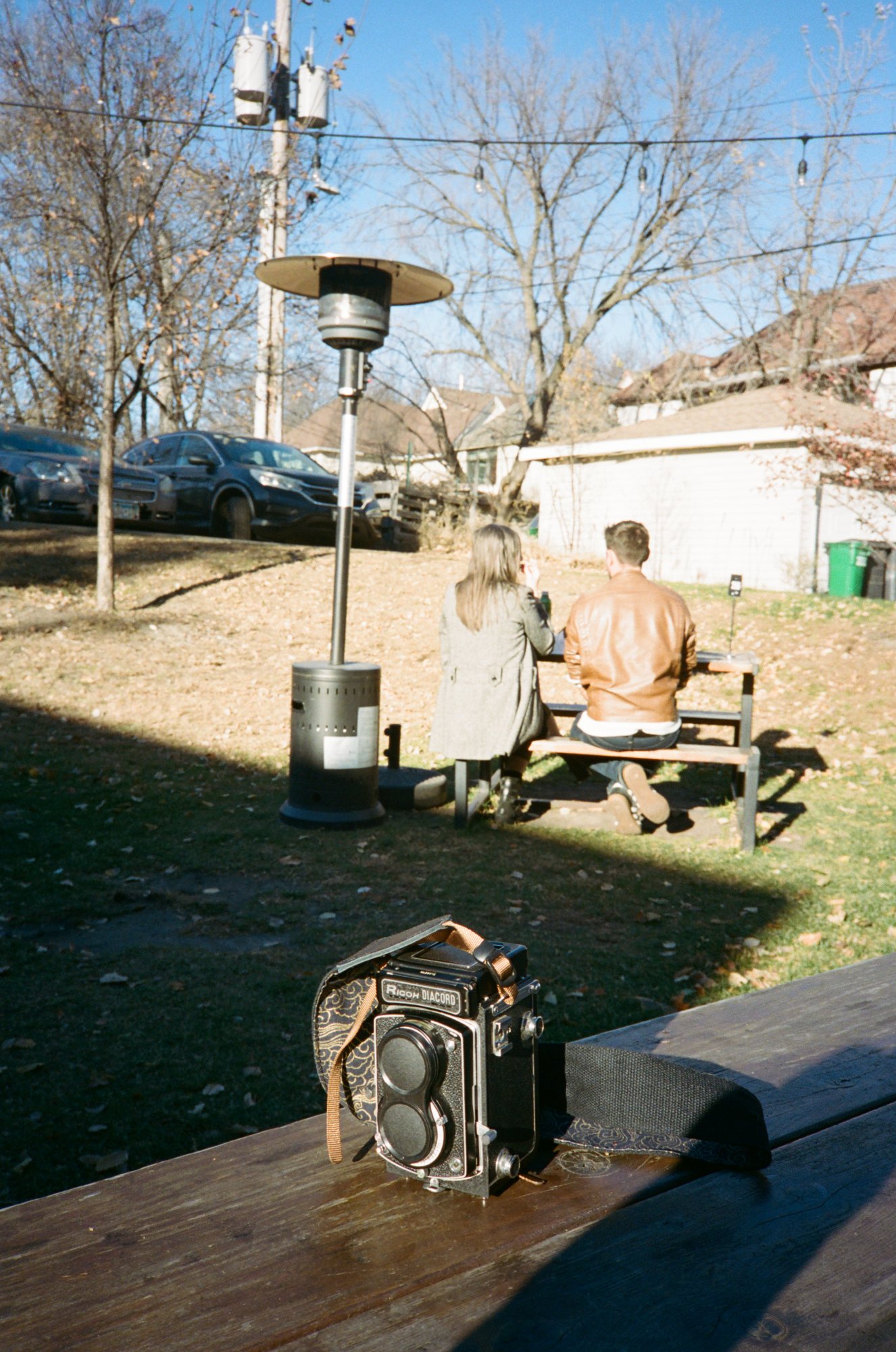
The gap between the shutter and the image is where memory begins to work. Film photography does not deliver an image — it promises one. That promise changes how you photograph and how you remember.
Read →A camera with a finite number of frames asks its user to make choices. Digital abundance removes that pressure. Film restores it. What is worth a frame? is not a small question.
Read →No single person sees an event. Every account is partial. A distributed archive does not resolve this — it makes it explicit, and in doing so, makes it true.
Read →An imperfect photograph is evidence of a person — their hesitation, their angle of view, the way they held the camera. Optimized images are evidence of a process. We prefer evidence of people.
Read →A system that is co-fi reproduces phenomena through togetherness — through the joining of many distinct threads. A co-fi document is usually not smooth, since it requires stitching or weaving. It joyfully flaunts its seams.
Read →We work with a small number of events each year. If this approach interests you, reach out with some details about what you have in mind.
We respond within a few days.
No contact form. No automated reply.